
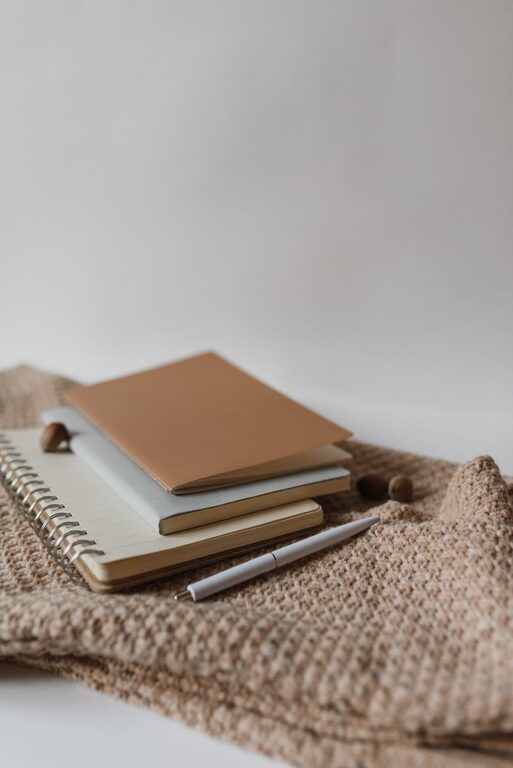
Choosing the right notebook might seem like a small decision, but it can make a big difference in how often you use it and how productive you feel. Whether you want a place to jot down ideas, plan your day, or keep a journal, the ideal notebook should fit your personal style, needs, and habits. In this guide, we’ll explore practical tips to help you select a notebook you’ll actually enjoy using.
Why Choosing the Right Notebook Matters
A notebook is more than just paper bound together. It’s a space for your thoughts, plans, doodles, and reflections. If your notebook feels uncomfortable or uninspiring, you may avoid using it, missing out on the benefits it could bring. On the other hand, a notebook that matches your preferences can encourage regular use and boost your creativity and organization.
Consider Your Purpose
Before shopping for a notebook, think about why you want one.
What Will You Use It For?
– Journaling: A larger, well-bound notebook with quality paper might be best.
– Note-taking: Something compact and portable can be more practical.
– Planning: Look for notebooks with dates, calendars, or sections.
– Sketching or Bullet Journaling: Blank or dotted pages can give more freedom.
– Work or School: Durability and ease of use are key.
Knowing the primary purpose can narrow down your options quickly.
Choose the Right Size
Notebooks come in many sizes, from tiny pocket notebooks to large sketchbooks.
Common Sizes
– Pocket Size (around 3.5 x 5.5 inches): Easy to carry everywhere but offers limited writing space.
– A5 (5.8 x 8.3 inches): A popular middle size, portable with ample room.
– A4 (8.3 x 11.7 inches) and larger: Great for detailed notes, drawings, or extended writing but less portable.
Think about where and when you’ll use your notebook. If you plan to take it to meetings or school, portability matters. If it’s for home use, a larger size could be comfortable.
Paper Quality and Page Type
The texture and thickness of the paper affect how your writing looks and feels.
Paper Weight
Measured in grams per square meter (gsm), paper weight tells you its thickness.
– Standard notebook: 70-80 gsm – good for pencil and ballpoint pens.
– Thicker paper: 90 gsm or higher – better for fountain pens and markers to prevent bleed-through.
Page Formats
– Ruled: Good for writing and organizing loose notes.
– Grid: Preferred for planning, charts, and bullet journaling.
– Dotted: Offers flexibility for writing and drawing without visual clutter.
– Blank: Ideal for sketching and creative work.
Try to pick a style that suits your typical writing or drawing habits.
Binding Type: What Works for You?
The way a notebook is bound affects how it lies open and its durability.
– Spiral-bound: Lays flat and folds back easily — great for note-taking on the go.
– Perfect-bound: Looks professional and compact but may not open flat.
– Thread-bound: Durable, sticks together well, often lies flat with quality.
– Hardcover or Softcover: Hardcover protects pages better but can be heavier; softcover is lightweight but less protective.
Test how the notebook feels in your hand and how it opens, as this affects daily use.
Additional Features to Consider
Some notebooks offer extras that may be useful.
– Page numbers and indexes: Useful for tracking notes.
– Built-in bookmarks or elastic bands: Keep your place and protect pages.
– Pockets: Handy for storing loose papers or receipts.
– Perforated pages: Easy to tear out notes cleanly.
– Pen holders: Keep your favorite pen attached.
Think about what features will truly add value to your workflow without unnecessary bulk.
Design and Aesthetic
A notebook that visually appeals to you can motivate consistent use.
– Choose colors or patterns that make you happy.
– Consider personalized or customizable covers.
– Look for designs that match your style, whether minimalist, artistic, or professional.
Remember, your notebook is your creative companion—choose one that feels personal.
Test Before You Commit
If possible, visit a store and try writing in the notebook before buying. Notice how the paper feels with your preferred pen, how the notebook lays open, and whether it fits comfortably in your bag.
If buying online, check reviews for insights on paper quality, durability, and actual size.
Set Realistic Expectations
Even the perfect notebook won’t be useful if you don’t commit to using it. Set small goals like writing one sentence a day or planning your schedule weekly. Treat your notebook as a tool to support your habits, not as a burden.
Final Thoughts
Finding a notebook you’ll actually use is about matching the notebook’s features to your habits and preferences. By considering purpose, size, paper quality, binding, and design, you can pick a notebook that inspires you and fits easily into your routine. With the right choice, your notebook becomes more than paper—it becomes a creative and productive extension of yourself.
Happy notebook hunting!